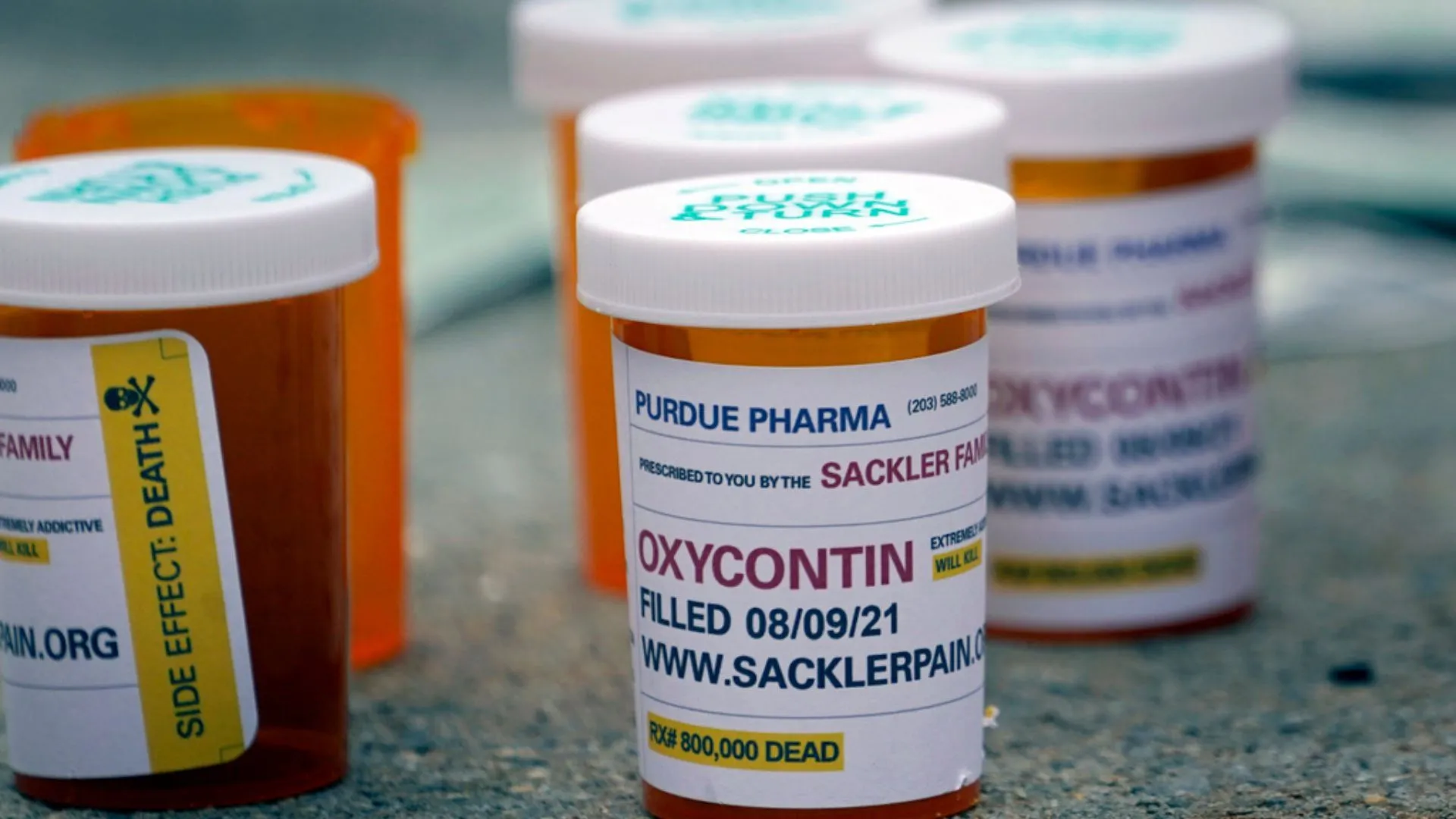
What Knoa Pharma's First 60 Days Tell Us About Non-Profit Accountability
On May 1, 2026, the world watched as a new name was etched into the glass of the headquarters that once housed one of the most notorious perpetrators of the opioid crisis. Purdue Pharma, the company that built "walls of shame" in our communities through the aggressive marketing of OxyContin, officially ceased to exist. In its place rose Knoa Pharma, a public-benefit successor owned by a non-profit foundation. We were told this was not just a PR facelift; we were promised a transformation that would turn a profit machine into a public health engine. Sixty days into this experiment, we have to look past the fresh paint and the polished press releases and ask the question that matters: is Knoa Pharma actually working for us, or is it just the same ghost in a new machine?
As a community that has navigated labyrinths of red tape, administrative restrictions, and the crushing weight of systemic failure, we refuse to settle for anything less than real transparency.
The most immediate tension is the sheer familiarity of the operation. Knoa Pharma launched with roughly 550 employees, almost all of them former Purdue staff, and interim CEO Marc Kesselman previously served as Purdue’s Chief Legal Officer. To some, that continuity may look practical, a way to keep operations running without disruption. To those of us in the recovery movement, it also looks like a test of whether meaningful accountability can survive inside a structure built by the very people who benefited from the old one. We are told Knoa is barred from marketing opioids and cannot use sales metrics to compensate staff, and that matters. It is a sober acknowledgment of the past. But skepticism is still warranted. How do you scrub the culture of a company that spent decades perfecting the hard sell? How do we know that reinvestment will become a stream of life-saving support rather than another form of corporate self-preservation? That is why we are watching not just the branding, but the behavior.
At the same time, if we are going to be skeptical, we also have to be fair. One of the clearest early signs that Knoa may be trying to move toward purpose over profit is its partnership with MMCAP Infuse to provide low-cost buprenorphine and naloxone to correctional facilities. That is not a symbolic gesture. It is a meaningful intervention in one of the most neglected corners of the overdose crisis. For too long, the walls of our jails and prisons have functioned as barriers to evidence-based care, leaving people with opioid use disorder in their darkest hours without the medication that could stabilize them, keep them alive, and connect them to recovery. By distributing OUD treatment medications at or below cost, Knoa is stepping into a space where public health has too often been replaced by punishment and neglect. We know what happens when treatment is treated differently from every other medical need. If someone came into an emergency room in cardiac distress, we would not force them through ghost networks, deny them proven medication, or make them prove their worthiness before offering care. Yet that is exactly how addiction is still too often treated in this country. If Knoa is serious about bypassing the old pharmaceutical playbook and putting life-saving medication into the hands of people who need it most, then this is the kind of work that could begin to build trust.
But trust will not come from one partnership alone. It will come from sustained evidence that the company’s non-profit status is producing measurable public benefit rather than simply softening public scrutiny. That is where oversight becomes essential. Former Montana Governor Steve Bullock, once an adversary of Purdue in court, now serves as the independent monitor charged with overseeing Knoa’s compliance with court-ordered injunctions. We need that role to mean something. We do not need passive observation. We need a watchdog willing to tear down brick walls, penetrate administrative fog, and tell the public in plain language whether the promises attached to this new structure are being honored or evaded.
The concern many of us share is straightforward: can any monitor, even one with Bullock’s credentials, fully pierce the corporate veil when so much of the leadership and staffing remain tied to the previous regime? That is not cynicism for its own sake. It is the product of lived experience. We have seen calculated tactics before. We have seen jargon used as cover. We have seen perpetrators hide behind procedure while families were left hurting, desperate, and buried under despair. So we are right to demand more than assurances. We should demand documentation, reporting, and proof that every dollar and every decision is aligned with the public-benefit mission Knoa claims to serve.
The first 60 days of Knoa Pharma do not give us a final verdict, but they do give us an early signal. The signal is mixed. There are legitimate reasons for scrutiny because the personnel, the power structure, and the legacy all raise hard questions. There are also legitimate reasons to watch closely for progress because the buprenorphine partnership suggests that a different path is at least possible.
That is where we stand as a national recovery and public health constituency. We are not isolated bystanders to this story, and we are not passive recipients of whatever corporate reinvention gets handed down to us. We are families, advocates, clinicians, people in recovery, and communities who have paid the price for corporate evasion and policy failure, and we have every right to insist that "non-profit" means exactly what it says. If Knoa wants public trust, it must earn it through transparent governance, accountable oversight, and concrete investments that expand treatment access and save lives. We will continue to hold its feet to the fire, not because we are rooting for failure, but because too much is at stake for anything less. Break the silence. Demand accountability. We are the watchdog.