If you’ve followed my journey, you know my life’s work is rooted in my own battle with opioid addiction and the fight to hold predatory pharmaceutical companies accountable. I spent years in the absolute depths of despair, and today, I fight alongside millions navigating that same pain. But lately, I’m hearing from devastated families about a completely different kind of crisis.
It doesn’t come in a pill bottle, and you won’t find it on a street corner. It is sitting right in the pockets and game consoles of our young people, masquerading as harmless entertainment. We need to talk about sports gaming addiction, and we are woefully unprepared for how incredibly bad it is getting with our youth.
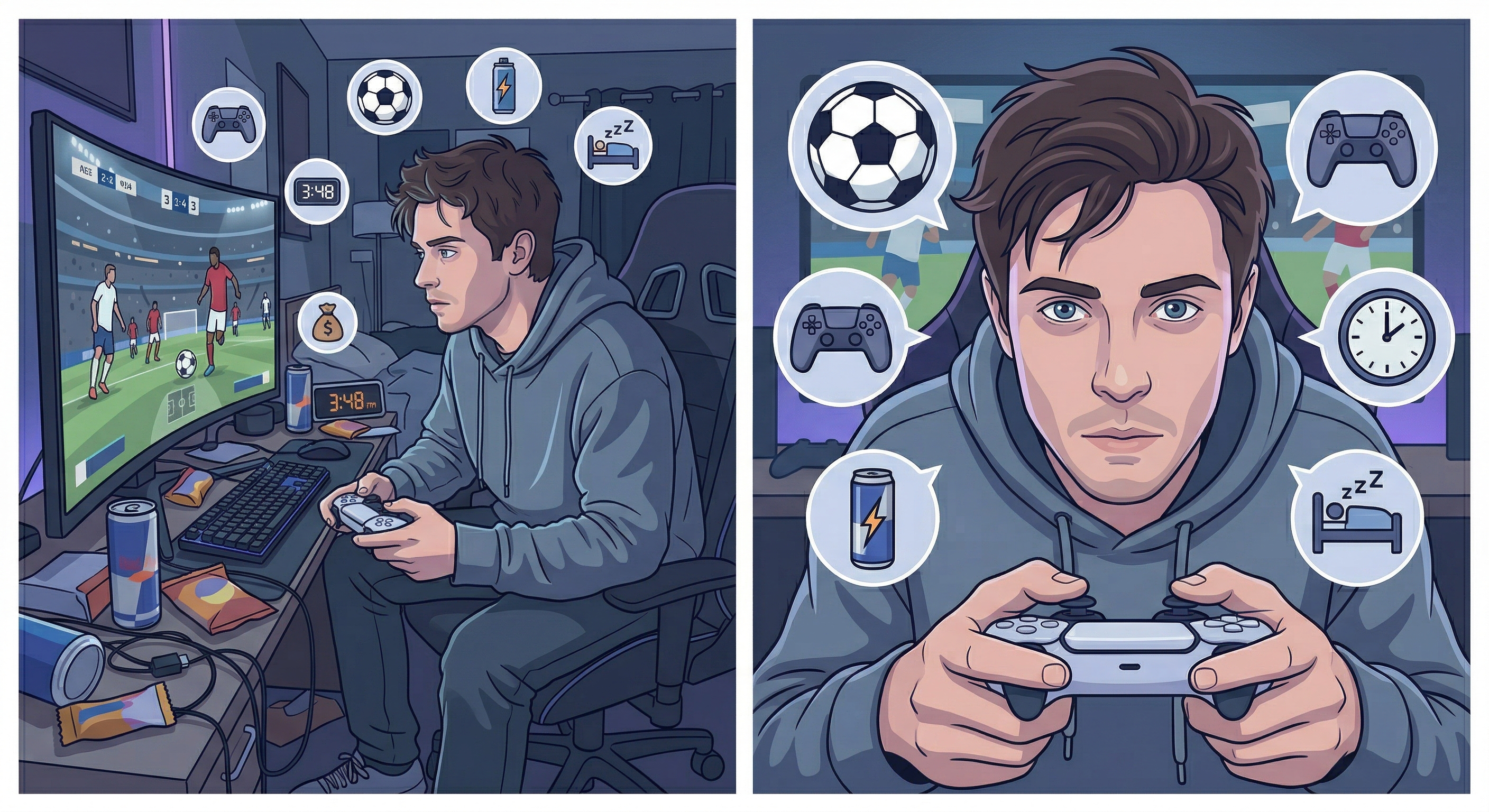
Over the last few years, the line between video games and gambling has been intentionally erased. The grooming starts early with popular sports video games. Titles like Madden, EA Sports FC, and NBA 2K are heavily monetized with digital "loot boxes" and player packs. Kids spend real money for a randomized chance to "pull" a digital version of their favorite athlete. Let’s call it what it is: an unregulated digital casino marketed directly to minors.
For a developing brain, this is a trap perfectly engineered to hijack the reward system. These games use intermittent rewards and manipulative algorithms to create an endless loop of dopamine spikes. Once these kids age up, the transition to mobile sportsbooks is seamless. Today, you can’t watch a game or scroll social media without being bombarded by ads promising "risk-free" parlays and bonus bets.
Through my advocacy work, the stories I hear are chilling. I hear about high schoolers secretly draining their parents' credit cards to buy digital packs. I talk to college kids who have blown through tuition money or taken out predatory loans to chase sports betting losses. Because there is no physical substance involved, the warning signs are invisible to parents until the financial and psychological devastation is absolute.
The shame these young people feel is immense. They suffer in isolation, crushed by sudden debt, crippling anxiety, and depression. They are convinced they are moral failures, rather than victims of a multi-billion-dollar industry designed to keep them hooked.
As someone who fought on the front lines against Purdue Pharma, I know a predatory industry when I see one. Just like Big Pharma did with opioids, these gaming and betting corporations make billions by peddling a highly addictive product while ignoring the human collateral damage. It’s the exact same corporate playbook, just with a new digital coat of paint.
We cannot wait until we lose a generation to financial ruin and the mental health crises that follow. We must demand corporate accountability, strict regulations on youth marketing, and funding for specialized treatment for behavioral addictions.
Addiction is a shapeshifter. If you or someone you love is struggling, please know you are not alone. There is no shame in asking for help. It’s time we bring this crisis out of the shadows, talk about it at our dinner tables, and recover out loud—before another generation pays the price.